If you are thinking about life in Columbia, you are probably wondering what it feels like when the stagecoaches, boardwalks, and Gold Rush storefronts are not just a weekend attraction, but part of your normal routine. That is a fair question, because Columbia is not a typical foothill town and it is not just a museum setting either. Everyday life here blends historic character, practical small-town convenience, and a calendar shaped by visitors and local traditions. Let’s take a closer look at what living in Columbia can really feel like.
Columbia feels historic and lived-in
Columbia dates back to 1850, and Tuolumne County describes it as a preserved Gold Rush community that had become one of California’s largest cities by 1853. Today, Columbia State Historic Park anchors the town, but the area functions as a living community rather than a sealed-off attraction. That matters if you are considering a move here, because your daily life would unfold in a place that is both historic and active.
Unlike some heritage destinations, Columbia does not shut down behind gates after visitor hours. The town remains open after hours, which helps it feel like a real neighborhood with ongoing local use. For residents, that creates a unique blend of atmosphere and routine that is hard to find elsewhere in Tuolumne County.
Daily errands are surprisingly convenient
One of Columbia’s biggest lifestyle advantages is how much you can do close to the historic core. State Parks and the local chamber describe a mix of practical and visitor-oriented businesses, including restaurants, coffee and sweets, an ice cream parlor, a blacksmith shop, a photography studio, historic clothing retail, and a full-service mercantile with groceries and pharmacy items. That means everyday errands can feel more convenient than you might expect in a small historic town.
The walkability also stands out. The historic streets are closed to regular vehicle traffic, mostly level, and lined with accessible boardwalks. If you enjoy being able to park once and move around on foot, Columbia offers an experience that feels unusually easy and connected.
Parking is free and spread across several lots, which helps both residents and visitors. On major event days, though, lots can fill quickly, so timing becomes part of the routine. Public restrooms are also located throughout town, which adds practical convenience when you are spending time in the historic district.
School life plays a big role
For households planning around school routines, Columbia has a very local feel. Columbia Union School District is a single-site K-8 district, and both the district and the California Department of Education show that school life is central to the community. The district serves around 500 students and families, while California Department of Education data lists 445 students at Columbia Elementary and 453 districtwide for 2025-26.
The district highlights several student supports, including music and fine arts, middle-school athletics, electives, after-school care and enrichment, a STEAM lab, and a full-time counselor. In 2025, it also launched the Discoveries after-school program for K-8 students, running Monday through Thursday from 3:00 to 3:50 p.m. at no extra cost to families. Activities include arts and crafts, STEM, cooking, gardening, and leadership.
Because the district ends at 8th grade, older-student planning is part of life in Columbia. Nearby high school options fall under the separate Sonora Union High School District based in Sonora. If you are moving with children, that transition is something to think through early.
The seasons shape the town
In Columbia, the calendar affects daily life as much as the clock does. California State Parks says the park hosts events year-round, and the annual rhythm includes spring, summer, fall, and winter traditions that bring visitors into town. Some events are long-running favorites, including Victorian Easter, the Glorious 4th of July celebration, Harvest Festifall, Boo Boulevard, Lamplight Tours, Las Posadas, and the all-equestrian parade.
That activity brings energy, but it also changes the pace of town. Columbia is a regular destination for school field trips and seasonal events, so some days feel busier than others. If you like community activity and a sense of place, that can be a real plus.
Business hours can shift with the seasons too. The chamber says many merchants are open daily in summer, often from 10 a.m. to 5 p.m., while restaurants and the grocery store usually keep longer hours. In spring, fall, and winter, some merchants may reduce their schedules to five or six days a week.
Tuolumne County’s community analysis notes that Columbia’s tourism economy can create a feast-or-famine cycle. For residents, that often means learning the town’s rhythm and planning around busy weekends, event traffic, and quieter off-season periods. Over time, many locals come to see that rhythm as part of Columbia’s character.
Columbia’s climate supports year-round living
At about 2,100 feet in elevation, Columbia sits above the valley fog line and below the snow line. The chamber describes summers as warm to hot and winters as cool and wetter. That foothill climate helps explain why the town supports year-round activity without feeling like a high-elevation mountain town.
For daily life, that usually means more seasonal variety than the valley, but without the same level of snow-related disruption you might see at higher elevations. If you want foothill weather and four-season changes without being deep in the mountains, Columbia sits in an appealing middle ground.
Home choices depend on your lifestyle
If you are considering buying in Columbia, one of the biggest decisions is how close you want to be to the historic center. Tuolumne County says Columbia is one of its design review districts, and the review area includes the park, some residential areas, and much of the Parrotts Ferry Road corridor. The purpose is to keep new development visually compatible with Columbia’s Gold Rush-era character.
That can be a strong fit if you value historic atmosphere and a cohesive look. At the same time, county rules mean some projects in the design review district are reviewed for consistency with the applicable design guide. Home occupations also must remain inside a dwelling or private garage and cannot alter the residential character of the parcel.
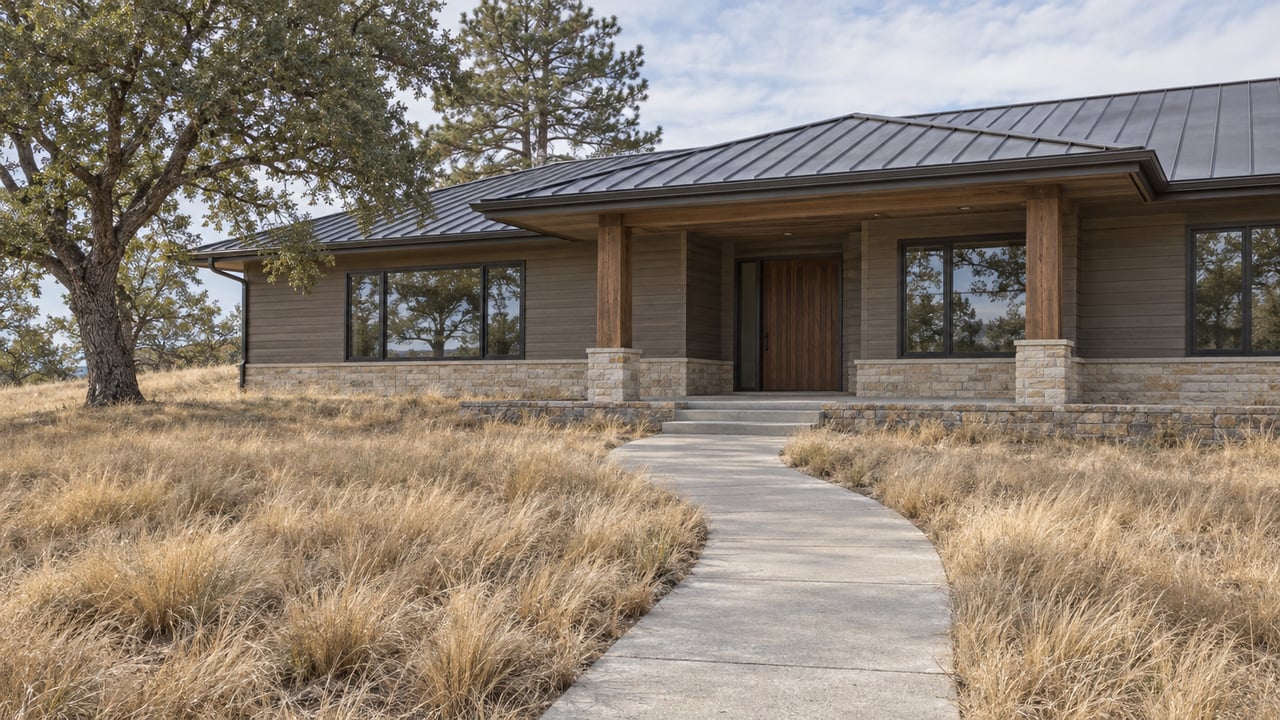
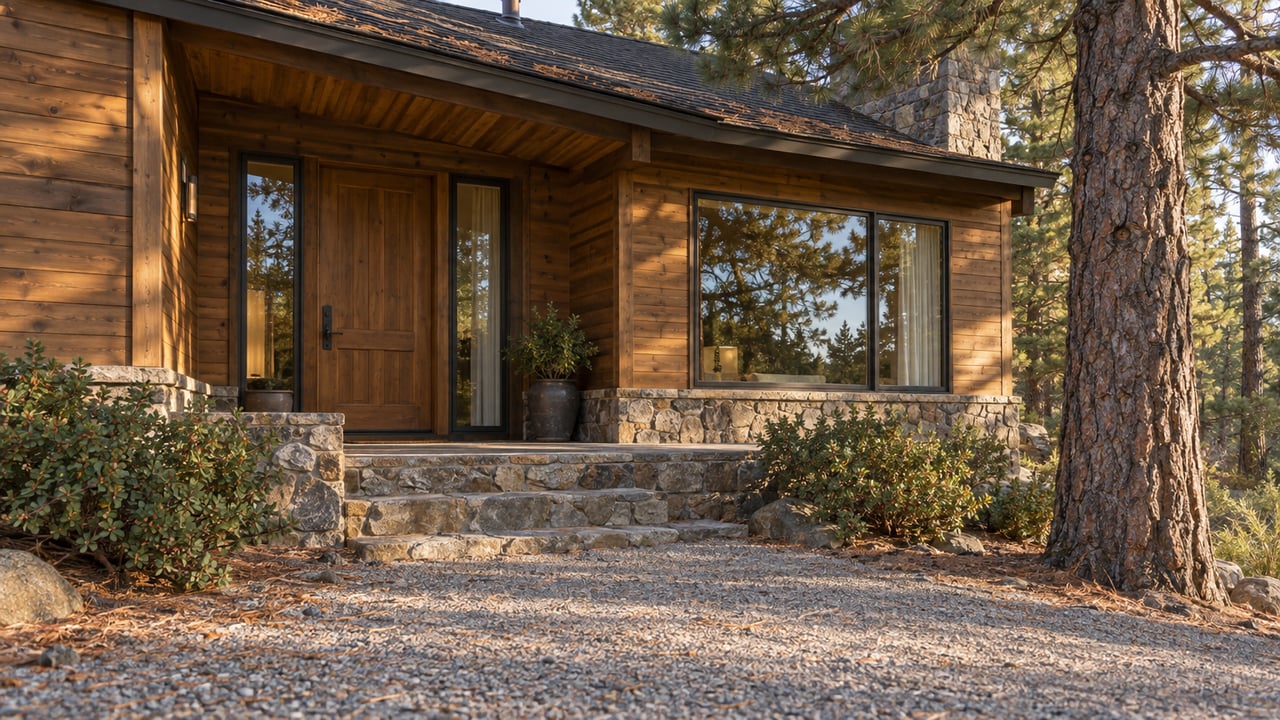
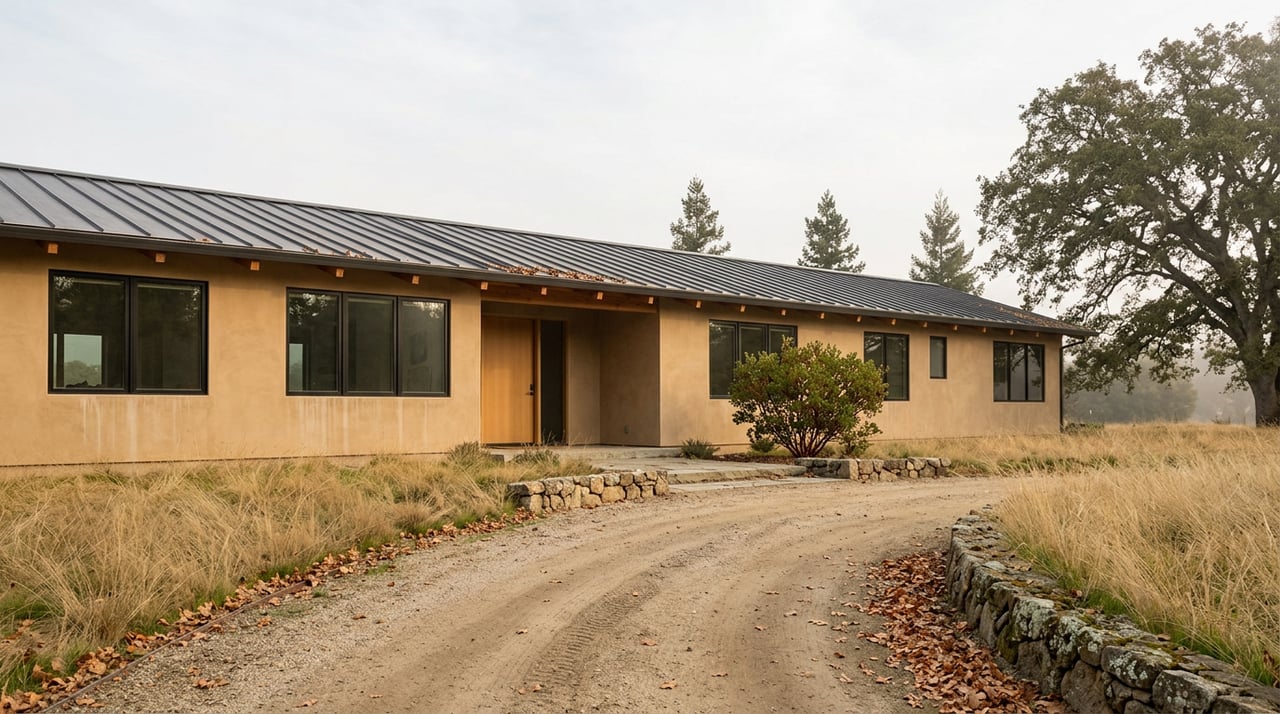
In practical terms, Columbia may be especially appealing if you want a home with character and a setting tied closely to local history. It may be less flexible if your priority is broad exterior customization or a more visible home-based business setup. This is why buyers often benefit from comparing the historic-core lifestyle with nearby residential pockets that offer a bit more separation from visitor activity.
Housing is limited, so timing matters
Tuolumne County’s 2025 Columbia community analysis says housing is scarce. It also notes that residential life extends beyond Main Street and the park into smaller suburban areas and mobile home parks. That broader mix means Columbia is not just one type of housing experience, even if the historic district gets most of the attention.
The same county analysis also notes some infrastructure strain, including power outages and limited broadband in parts of the community. Those are important quality-of-life factors to weigh as you compare Columbia with other Tuolumne County towns. A home that feels perfect on first glance should also work for your day-to-day needs, especially if you work from home or rely heavily on internet service.
Who Columbia tends to suit best
Columbia often appeals to buyers who want more than just a house. Many are drawn to the chance to live near a walkable historic district, enjoy a strong sense of place, and stay connected to a year-round community calendar. Others prefer the nearby residential areas where they can still enjoy Columbia’s location while keeping a little more distance from visitor traffic.
For some buyers, that mix is exactly the point. You can be near Sonora, about three miles away, while living in a town with its own distinct identity. If you want foothill living with history, local events, and practical everyday conveniences, Columbia offers a lifestyle that stands apart from many other Sierra Foothill communities.
If you are trying to decide whether Columbia fits your goals, it helps to look beyond the postcard image and focus on how you want your days to feel. The right home here depends on your comfort with seasonal tourism, your need for flexibility, and how much you value being part of a historic setting. If you want local guidance as you explore Columbia and nearby Mother Lode communities, Kristin Frankhauser with Mother Lode Real Estate, INC can help you compare options with clear, practical insight.
FAQs
What is everyday life like in Columbia, California?
- Everyday life in Columbia blends historic surroundings with normal small-town routines, including walkable streets, local shopping, school activity, and year-round community events.
Is Columbia, CA, just a tourist town?
- No. Tuolumne County describes Columbia as a living park community with businesses and services used by both visitors and locals, and the town remains open after hours rather than operating like a closed attraction.
What schools serve families in Columbia, California?
- Columbia Union School District serves students through 8th grade at a single site, and high school planning typically involves the separate Sonora Union High School District in nearby Sonora.
What shops and services are available in Columbia, CA?
- Columbia offers a mix of restaurants, coffee and sweets, ice cream, retail shops, and a full-service mercantile that carries groceries and pharmacy items.
Is Columbia, California, walkable?
- Yes. The historic district is known for mostly level streets, accessible boardwalks, and vehicle-free historic streets, which makes walking a practical part of daily life.
What should homebuyers know about buying in Columbia, CA?
- Homebuyers should know that some areas fall within a county design review district, housing is limited, and lifestyle choices often come down to whether you want to live close to the historic core or in nearby residential areas with a little more separation from visitor traffic.