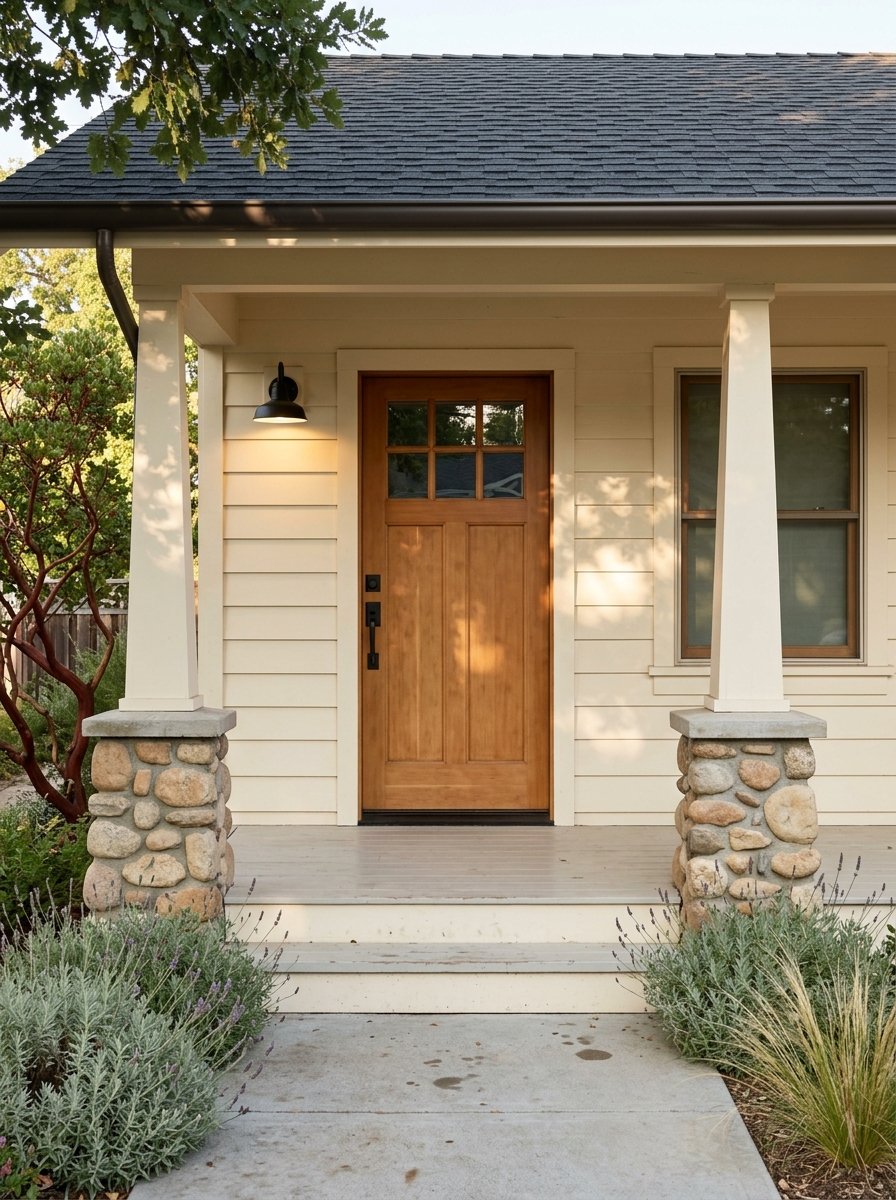
If you are house hunting in Sonora, one question comes up fast: do you want the charm of an older home or the simplicity of something newer? In a city where much of the housing stock was built decades ago, that choice is more than style. It affects maintenance, energy costs, renovation plans, and your day-to-day ownership experience. Let’s break down what to consider so you can choose with confidence.
Why this choice matters in Sonora
In Sonora, housing age is a real part of the buying decision. The City of Sonora’s draft 2024-2029 Housing Element says 51.1% of homes were more than 50 years old as of 2021, and 77.2% were more than 30 years old. Only 23% of homes had been built since 1990.
That means many buyers here will naturally compare older properties with newer construction. It also helps explain why character, upkeep, and efficiency often matter just as much as price and layout. In Sonora, the age of a home often shapes the entire ownership experience.
What historic homes offer
Sonora is closely tied to its Gold Rush past, and that history still shows up in the local housing market. The city describes downtown Sonora as having historic charm and small-town appeal, and local planning documents connect the historic zone to Gold Rush-era architecture from 1849 to 1880.
If you love original details, established streetscapes, and a stronger sense of place, an older or historic home may feel like the right fit. In and around the historic core, the appeal is often about more than square footage. It is about living in a home that reflects Sonora’s identity.
Some historic residential options are also different from what buyers expect. Sonora’s housing element notes that some buildings in the historic area include residential space above ground-floor commercial uses. So depending on the property, “historic home” can mean a detached house, a smaller in-town residence, or a mixed-use living setup.
Historic homes often bring more character
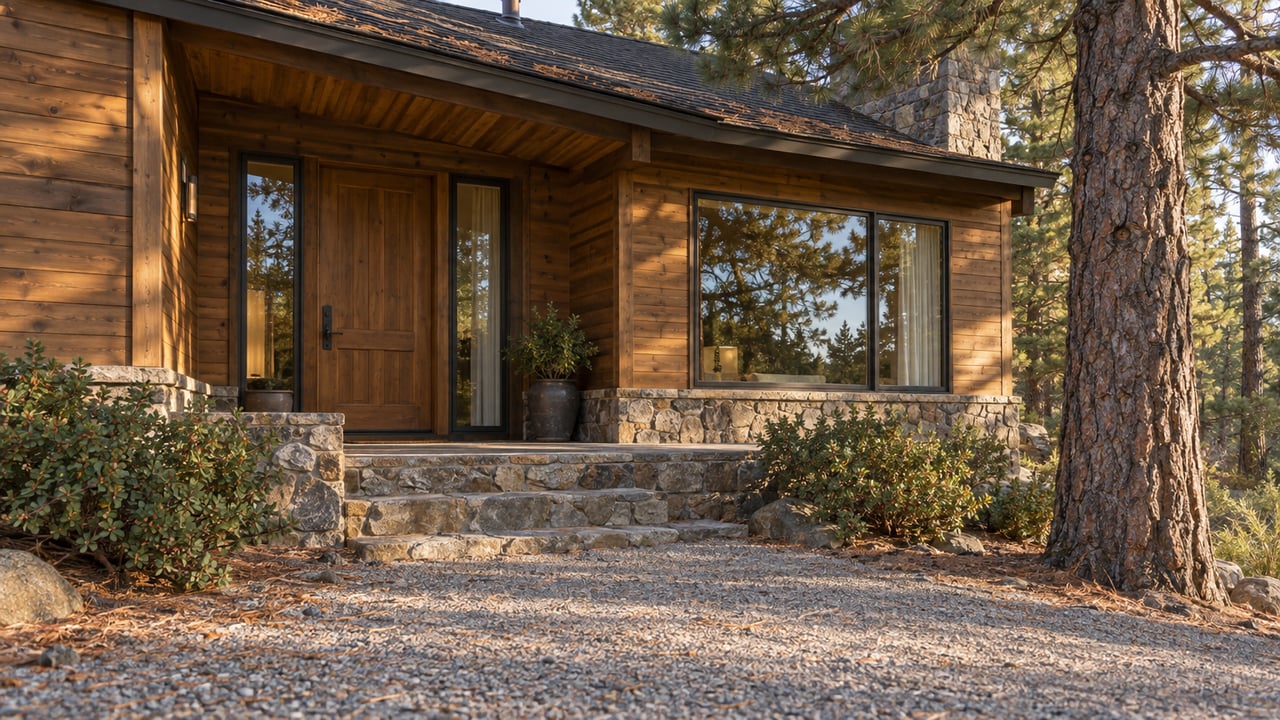
Older homes often stand out for design details and layout features that are harder to find in newer construction. You may see original trim, unique facades, mature surroundings, and floor plans shaped by another era.
For many buyers, that character is the point. If you want a home that feels connected to Sonora’s past, an older property can deliver an experience a newer build usually cannot replicate.
Historic homes may need more upkeep
The biggest practical difference is usually maintenance. Sonora’s draft housing element notes that homes older than 50 years may require major renovations if they have not been properly maintained.
That does not mean older homes are a bad investment or always in poor condition. In fact, Sonora’s housing survey found that most homes did not need repair. Still, certain issues showed up often enough to deserve attention: windows needed minor repair or replacement in 33% of surveyed homes, roofs in 27%, siding or stucco in 40%, and plumbing in 26%.
National Census Bureau data also shows how ownership costs can differ. New owners of older homes spent a median of $3,900 per year on upkeep, compared with about $1,500 for longtime owners. If you buy an older home in Sonora, it is smart to expect a more active maintenance budget, especially during your first few years.
Historic areas can have design review rules
If a property is in Sonora’s historic zone, exterior changes may involve added review. The city’s General Plan says design review is required for new buildings, exterior alterations, additions, and modifications in the historic zone.
Routine maintenance and repairs are treated differently. If the work does not change the design, exterior materials, or original appearance, it is excluded from that review. That distinction matters if you are thinking about updates, additions, or major exterior changes.
What newer homes offer
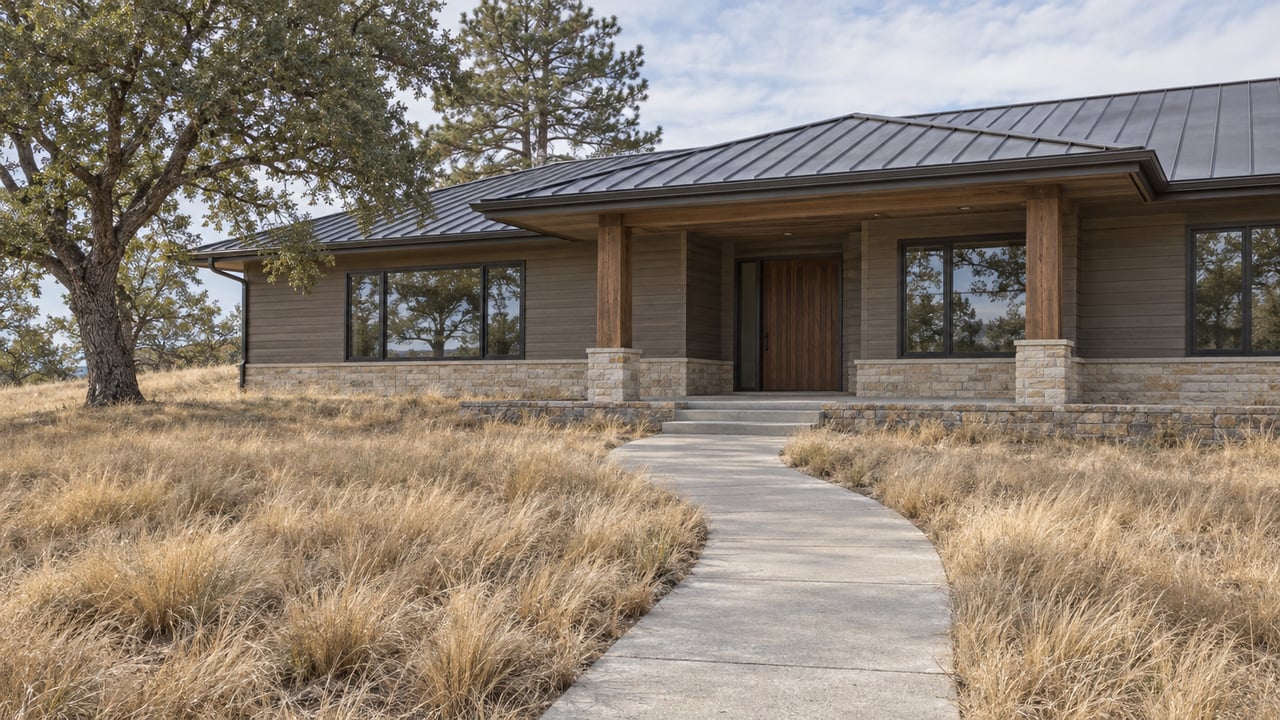
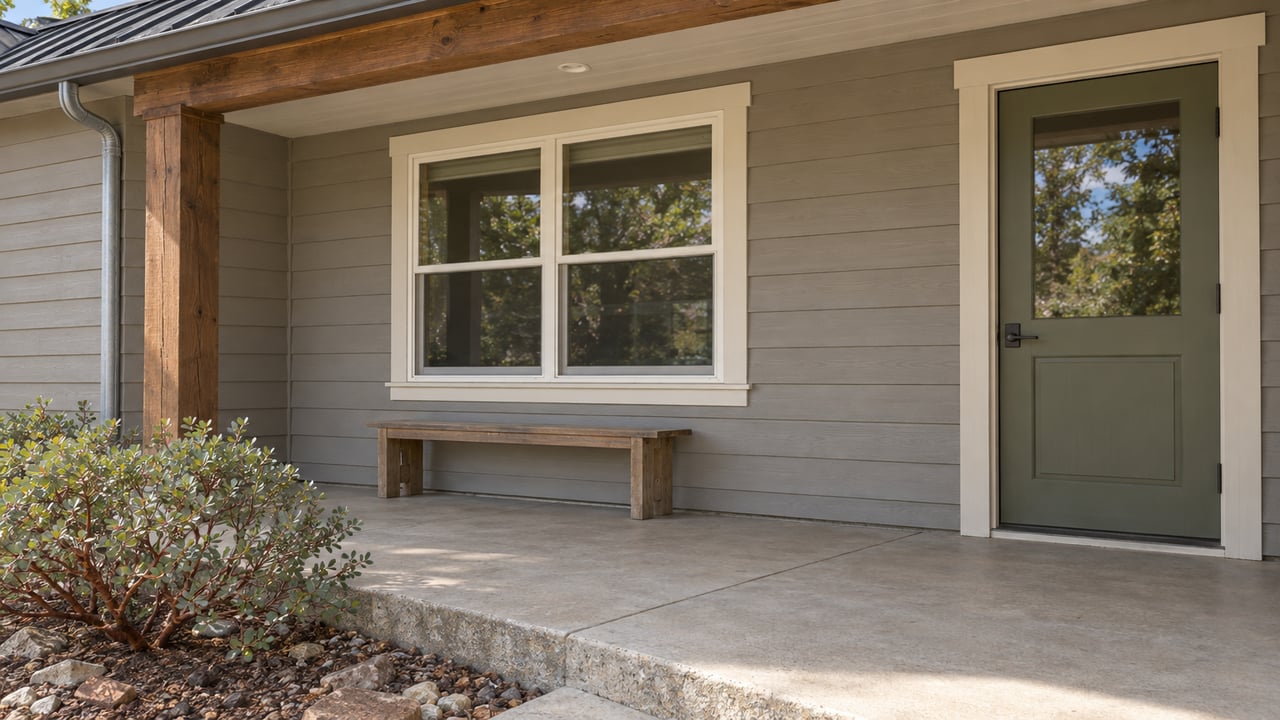
Newer homes usually appeal to buyers who want more predictability. In many cases, they offer more current systems, more modern layouts, and fewer immediate projects after move-in.
That can be especially important if you are relocating, buying a second home, or simply want a lower-maintenance ownership experience. A newer home may not have the same historic feel, but it can offer convenience that better matches your lifestyle.
Newer homes usually start with better efficiency
Sonora’s planning policies require new residential development to meet Title 24 standards. The city’s draft housing element also says each new residential unit built must include solar in the build.
The California Energy Commission says the Building Energy Efficiency Standards, including Title 24, Part 6, are updated every three years, with the latest standards taking effect January 1, 2026. For buyers, that means newer homes should begin with a more efficient building envelope and more current systems than older homes that have not been substantially upgraded.
ENERGY STAR describes modern new-home construction as a complete thermal enclosure system, including air sealing, properly installed insulation, and high-performance windows. According to ENERGY STAR, certified homes deliver at least 10% savings on annual utility bills. That can make a meaningful difference in monthly costs and indoor comfort.
Newer homes can be easier to budget for
One reason buyers choose newer homes is simple: fewer surprises. While any home can need repairs, newer properties often come with less immediate concern about aging roofs, older plumbing, dated windows, or deferred maintenance.
That can make your first year of ownership feel more manageable. If you prefer clearer budgeting and fewer near-term projects, newer construction may be a better fit for your goals.
Newer homes may reflect current living patterns
Sonora’s housing element says the city encourages a diversity of unit sizes and bedroom counts within housing developments. It also notes that newer residential review focuses on how a project fits the community overall, rather than requiring historic-era floor plans.
In practical terms, newer homes are more likely to reflect contemporary space expectations. You may find layouts that feel more aligned with how people live today, while older homes may reflect room arrangements and lot patterns from a different time.
How to compare historic and newer homes
The right choice usually comes down to what matters most to you. In Sonora, both options can make sense, but they serve different priorities.
Here is a simple way to frame the decision:
| If you value... | A historic home may fit | A newer home may fit |
|---|---|---|
| Local character | Stronger connection to Sonora’s past | Less architectural history |
| Maintenance simplicity | May require more ongoing attention | Often fewer immediate repairs |
| Energy efficiency | Possible, but upgrades may be needed | Usually stronger from the start |
| Renovation flexibility | May involve preservation-sensitive review | Typically fewer design constraints |
| Predictable monthly costs | Can vary based on condition and upgrades | Often easier to forecast |
Neither path is automatically better. The best fit depends on how you want to live, what projects you are comfortable taking on, and how much value you place on historic character versus ease of ownership.
What to check before you buy
Whether you are looking at a historic property or a newer one, good due diligence matters. The most useful comparison points are often the same across both types of homes.
Pay close attention to:
- Roof age and condition
- Window condition
- Plumbing system condition
- HVAC age and performance
- Electrical system updates
- Evidence of permits for past work
- Any zoning or design-review constraints tied to the property’s location
In an older home, these items can help you understand future maintenance needs. In a newer home, they help confirm that the property is performing the way you expect.
Energy upgrades and local support
If you are considering an older Sonora home, energy improvements may still be possible. The National Park Service says energy upgrades in historic buildings should protect historic materials and features, with an emphasis on weatherization, insulation, air sealing, and thoughtful window strategies.
That approach can help you improve comfort without losing the features that give the home its character. Instead of assuming a full replacement approach, it often makes sense to look at targeted improvements first.
Local programs may also help, depending on your situation. Tuolumne County’s Housing Division administers first-time homebuyer, owner-occupied rehabilitation, and rental assistance programs. PG&E also offers energy-saving programs that include a Home Energy Checkup, Energy Savings Assistance, Green Saver, financing for upgrades, and HomeIntel support.
Sonora’s draft housing element also says the city will look at opportunities to help homeowners with weatherization. For buyers of older homes, that is a useful reminder that efficiency upgrades can be part of a longer-term plan.
Choosing the right fit for your lifestyle
A historic home in Sonora may be the better choice if you want personality, connection to local history, and a home that feels rooted in place. You just need to be comfortable with more careful due diligence, periodic repairs, and updates that may take more planning.
A newer home may be the better choice if you want energy efficiency, modern systems, and a more predictable ownership experience from day one. That can be especially appealing if you are balancing work, family schedules, or a second-home purchase and want fewer immediate projects.
In a market like Sonora, both options can be smart. The key is matching the home’s age, condition, and constraints to your budget, timeline, and priorities.
If you want help comparing older homes and newer listings in Sonora, Kristin Frankhauser with Mother Lode Real Estate, INC can help you evaluate the tradeoffs and narrow in on the right fit for your goals.
FAQs
What should buyers know about older homes in Sonora?
- Buyers should know that Sonora has an older housing stock, and older homes may need closer review for roof condition, windows, plumbing, siding, and overall maintenance history.
What are the benefits of newer homes in Sonora?
- Newer homes in Sonora often offer more current systems, built-in solar, Title 24 energy standards, and a more predictable maintenance and utility-cost profile.
Do historic homes in Sonora have renovation restrictions?
- Some do. In Sonora’s historic zone, new buildings, exterior alterations, additions, and modifications are subject to design review, while routine maintenance that does not change appearance is excluded.
Are historic homes in Sonora more expensive to maintain?
- They can be. Older homes often require more attentive upkeep, and Census Bureau data shows new owners of older homes tend to spend more on annual maintenance than longtime owners.
Can buyers improve energy efficiency in an older Sonora home?
- Yes, in many cases. Weatherization, insulation, air sealing, and careful window strategies may improve efficiency while preserving important historic features.
How do you choose between a historic and newer home in Sonora?
- Start with your priorities. If you value character and local history, a historic home may fit best. If you want lower-maintenance living and stronger energy performance from the start, a newer home may be the better match.