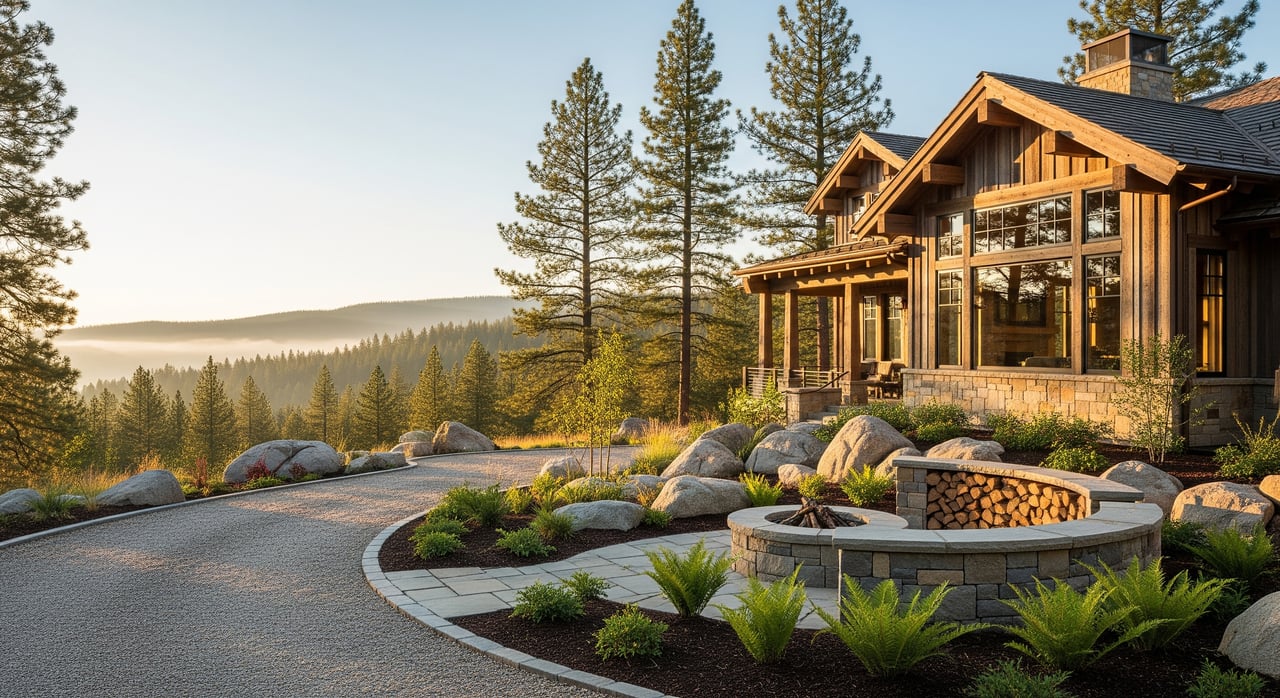
Do you picture coffee on a sunny deck under tall pines or an easy stroll to a village cafe? If you are weighing a weekend cabin against full-time life in Twain Harte, you are not alone. The area offers distinct micro-neighborhoods that each deliver a different rhythm, utility setup, and maintenance reality. In this guide, you will compare lifestyle vibes, see common home and lot types, and get a clear checklist of what to verify before you tour. Let’s dive in.
How Twain Harte is laid out
Twain Harte sits in the Sierra foothills with a small village core surrounded by forested pockets, ridgeline properties, lake-adjacent clusters, and rural outskirts. You will find mixed conifer forest, granite outcrops, and seasonal snow that changes access and maintenance needs. The market blends second-home owners with full-time residents who commute locally or work remotely. Small differences from one pocket to the next can matter a lot for utilities, wildfire exposure, and winter access.
Neighborhood vibes at a glance
Downtown and village core
If you want a compact, walkable setting near shops and local services, the village core delivers. Lots tend to be smaller with older cottages and cabins, plus some remodeled homes and a few mixed-use properties. You are more likely to find public or community water and sewer here. Expect more activity during peak seasons and easier day-to-day errands.
Lake-adjacent pockets
These areas prioritize recreation and seasonal gathering around nearby lakes and reservoirs. Housing skews toward cabins and modest single-family homes, sometimes with community rules for lake use. Parking can be tight in high season, and access rules vary by community. Always verify lake access rights, any HOA regulations, and shoreline or flood-related easements.
Forested cabin pockets
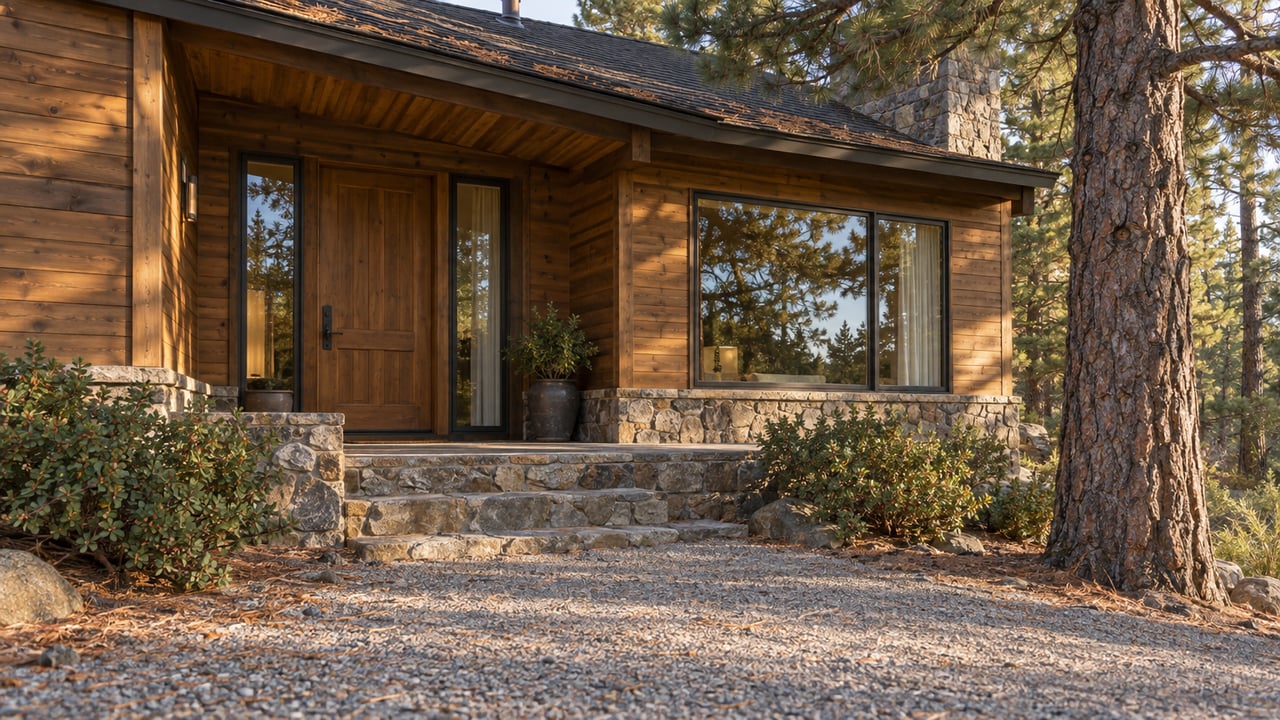
Densely treed areas feel quiet and rustic, with winding roads and a classic cabin aesthetic. Many homes are older wood-frame cabins, A-frames, or log-style builds on shaded, sometimes sloped lots. You get privacy and a strong mountain vibe, paired with more wildfire mitigation and seasonal maintenance. Sun exposure can be limited for gardens or solar.
Ridge and view parcels
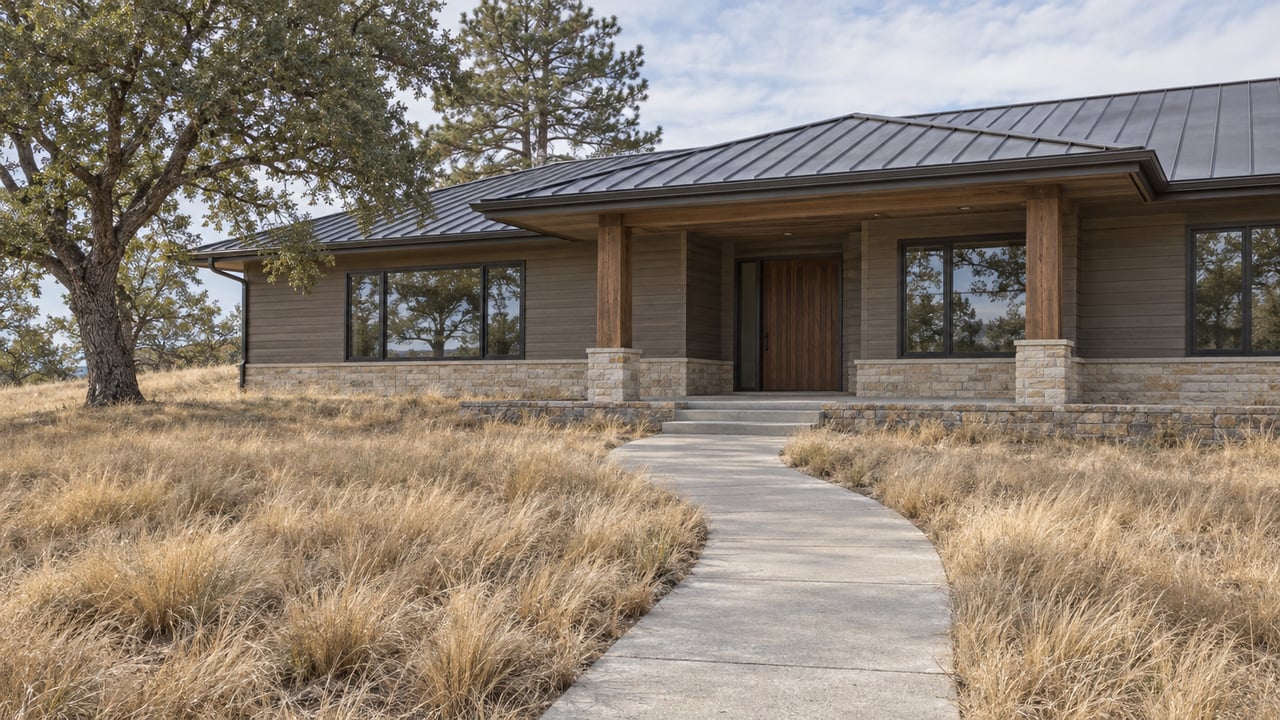
Ridgelines and hilltops trade shade for long views and more sun. You will see newer custom homes, significant remodels, and occasional vacant parcels with larger lot sizes. Topography can increase build complexity and driveway length, and wind exposure is common. Verify septic feasibility, well or water options, and who maintains the access road.
Rural outskirts and small ranch
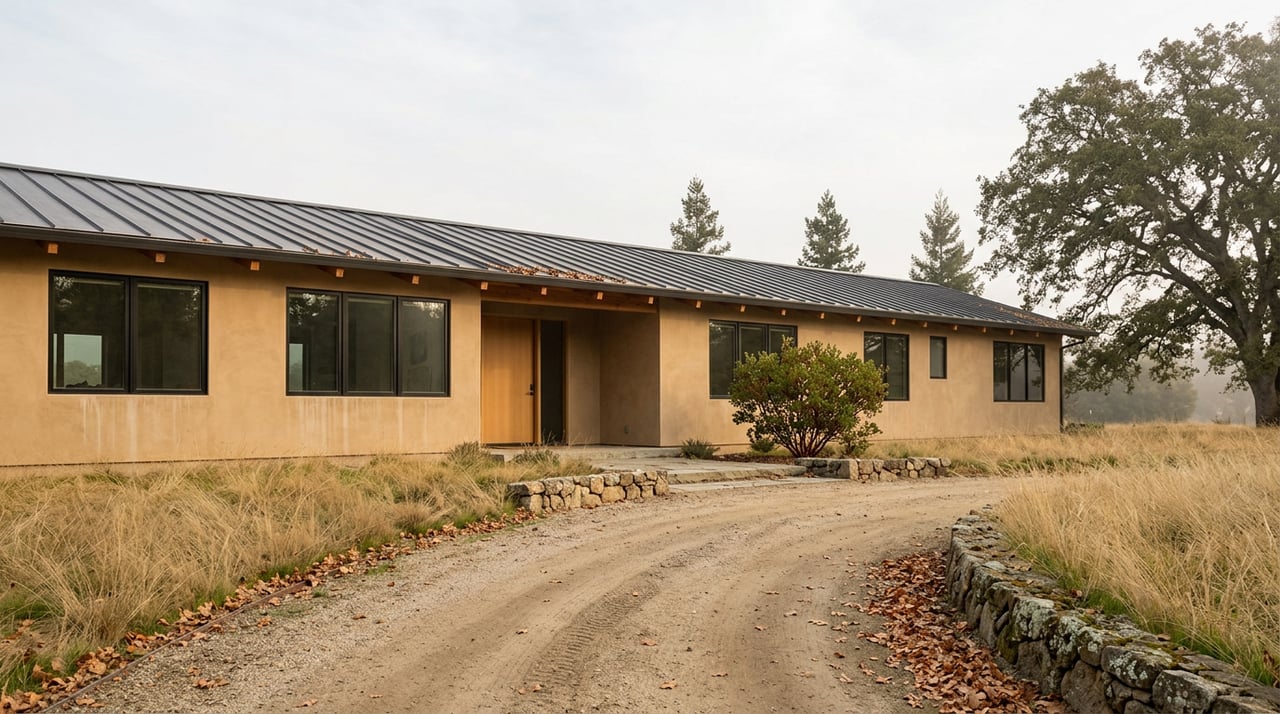
Outside the village, you will find lower-density properties with room for outbuildings, projects, or small-scale agriculture. Housing ranges from single-family to modular or manufactured homes where zoning allows. These parcels are more likely to use private wells and septic systems. Expect longer drives to services and possible extra costs for utilities and road upkeep.
Home types and lots you will see
- Rustic cabins and A-frames with mid-century roots, wood siding, and character finishes.
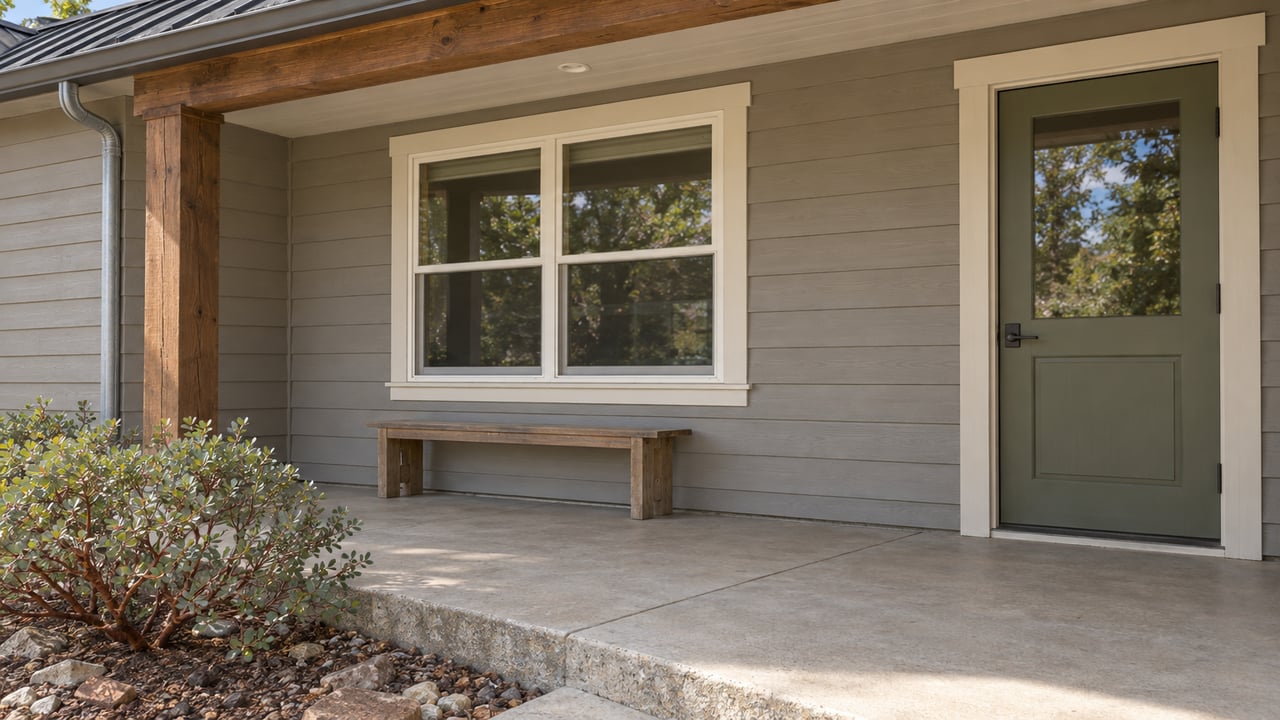
- Modern mountain remodels with expanded footprints, big windows, and decks aimed at views.
- Manufactured or modular homes where zoning permits.
- Custom ridge homes with engineered foundations and updated systems.
Lot sizes range from compact village parcels to multi-acre rural sites. Terrain varies from flat to steep, often with mature trees, irregular shapes, and granite outcrops. Many lots include seasonal runoff areas and micro-climates that affect sun, snow, and landscaping choices.
Utilities, internet, and access essentials
Water can be public or from a community system in denser pockets, while many outlying parcels use private wells. Some neighborhoods have public sewer, but septic systems are common and require records, permit history, and inspections. Electricity is typical, usually via overhead lines; internet options vary from DSL to fixed wireless, satellite, and limited fiber. Cell coverage can be spotty in certain ridge or forested locations, so test at the address.
Road conditions and maintenance vary by street. Some roads are county maintained, while others are private with shared upkeep and winter plowing obligations. Steep or long driveways are common and may require snow removal planning. If you anticipate outages, consider backup power options and verify reliability history for the specific address.
Full-time living vs weekend cabin
If you want everyday convenience, the village core and nearby streets offer shorter drives to services, possible public utilities, and easier winter access. If you are a recreational owner, lake-adjacent and forested pockets deliver that cabin feel and quick access to trails and water. If privacy, sun, and views are your goals, ridge parcels can be ideal with the right site prep and access plan. Rural outskirts fit owners who want space for projects, animals, or long-term residency with additional independence.
What to verify before you tour
- Water source: public, community, or private well; records and meter status.
- Sewer or septic: permits, inspection history, capacity, and drainfield condition.
- Wildfire risk: defensible-space status and recent mitigation work.
- Insurance: confirm availability and typical premiums early in your process.
- Road type and winter plan: county vs private, plowing arrangements, driveway grade.
- Internet and cell: address-specific service and speed tests.
- HOA, CC&Rs, and lake access: rules, fees, parking, and guest policies.
- Schools and services: verify attendance boundaries and map drive times.
Practical risks and rules to plan for
Wildfire readiness is part of foothill living. Expect to maintain defensible space, consider ember-resistant upgrades, and plan evacuation routes. Insurance may require mitigation and can vary by carrier, so check insurability before you write an offer. For septic and well systems, request permits, inspection reports, capacity details, and percolation testing if you plan to expand.
Check county zoning, setbacks, and permits for additions or accessory dwelling units. Steep sites often need engineered solutions and drainage control. Confirm whether your road is county maintained or private and how snow and storm impacts are handled. Budget for forested-lot upkeep, fuel and heating choice, possible road or water assessments, and the maintenance realities of older cabins.
Photo ideas for scouting
- Village main street: shows walkability and year-round services.
- Forested cabin yard: demonstrates defensible space and shade.
- Ridgeline view: highlights sun exposure and wind considerations.
- Lakeshore scene: captures seasonal use and parking dynamics.
Note seasonal variability when you take photos, since winter and summer conditions can be very different.
How we help you decide
You deserve a clear path through the details that matter: utilities, wildfire readiness, access, internet, and the lifestyle fit of each pocket. Our team pairs hyperlocal guidance with a calm, step-by-step process to help you compare options, verify records, and buy with confidence. When you are ready to explore Twain Harte, reach out to Kristin Frankhauser for local-first advice and a plan that fits your goals.
FAQs
Where is the most walkable area in Twain Harte?
- The compact village core offers the most walkable setting near shops, dining, and services, with smaller lots and a mix of older cottages and remodeled homes.
Are Twain Harte homes on public water and sewer?
- Some village and denser pockets use public or community systems, while many outlying areas rely on private wells and septic; verify the setup, permits, and records for each address.
How high is wildfire risk and what can I do?
- Risk varies by pocket and parcel; expect defensible-space requirements and consider home hardening, then confirm insurability and evacuation routes for the specific property.
Will winter snow affect access to my home?
- It can in certain pockets; check if the road is county maintained or private, who plows, and whether the driveway grade requires special equipment or services.
How is internet and cell coverage for remote work?
- Options vary from DSL to fixed wireless, satellite, and limited fiber; test coverage and speeds at the property and confirm provider availability for the exact address.
Can I add an ADU or expand a cabin?
- It depends on zoning, setbacks, septic capacity, and site constraints; consult county planning and environmental health before you design or bid work.
How do lake access rules typically work?
- Rules are community specific and may include permits, fees, guest limits, and parking policies; review CC&Rs and any lake association or service district guidelines.
What should I budget for ongoing maintenance?
- Plan for tree work, roof and deck upkeep, defensible space, possible higher insurance, septic servicing, and snow or road costs depending on your location and site.