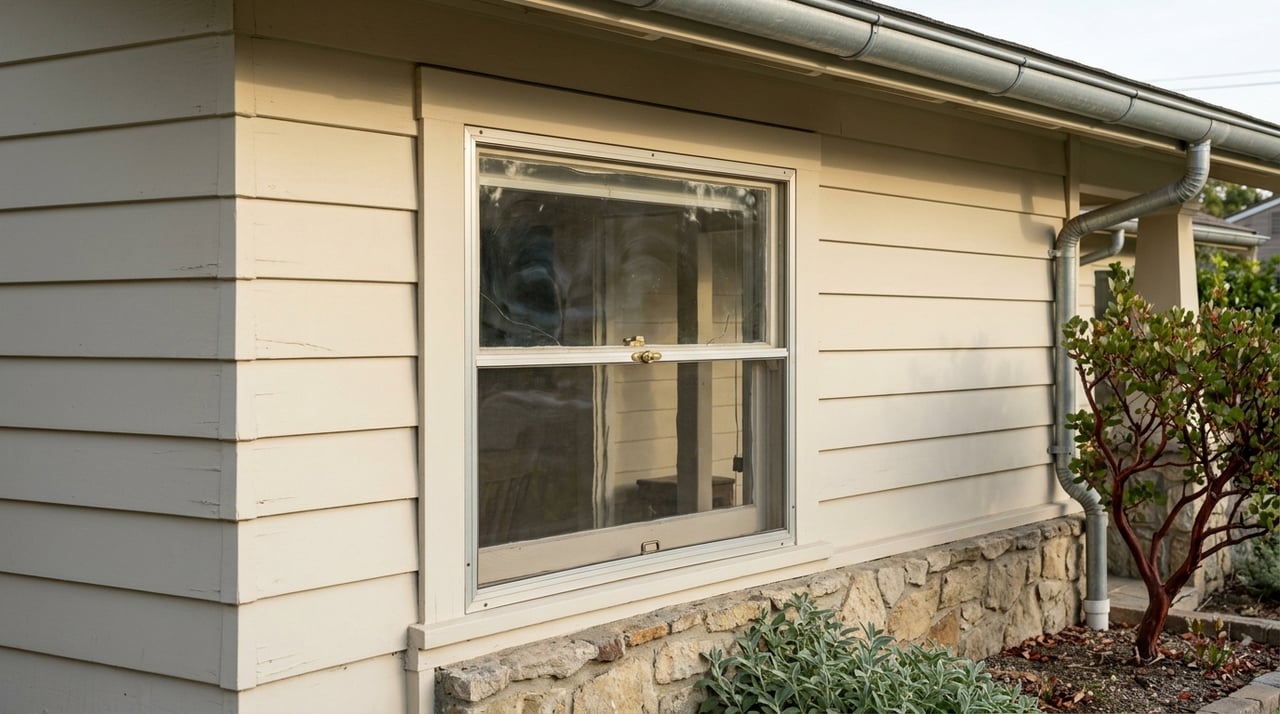
If you love the idea of living in a place with real Gold Rush character, owning a historic home in Columbia can feel special from day one. It can also come with a different set of responsibilities than a newer home, especially when it comes to maintenance, exterior changes, and local approvals. If you are thinking about buying or already own a historic property here, knowing what to expect can help you plan with confidence. Let’s dive in.
Columbia homes have real historic character
Columbia is more than an older foothill community. California State Parks describes the Columbia Historic District as one of the best-preserved Gold Rush mining towns in the Sierra Nevada, and the area is recognized as both a California Historical Landmark and a National Historic Landmark District.
That historic setting shapes what homeownership feels like here. Columbia State Historic Park includes park properties, small businesses, and residents, so owning a home in town often means living within a place that is both active and historically important.
Expect a mix of home styles
A historic home in Columbia is not always one specific architectural type. California State Parks identifies examples that include a circa-1870 cottage, a 1920s bungalow with enclosed porches, and a 1930s cottage with a side yard and small rear addition.
In practical terms, that means you may see compact floor plans, porches, later additions, and a mix of masonry and wood construction. The district history also notes that many buildings constructed after the 1857 fire were brick, so materials can vary from one property to the next.
Old does not always mean protected the same way
One of the biggest things to understand is that an older home and a historically regulated home are not always the same thing. In Columbia, the exact parcel status matters because it affects what you may need to do before making exterior changes.
According to Tuolumne County, the key question is whether the property is only in the Design Review District, in the Historic H district, in the Historic Design Preservation HDP district, or simply an older property without a historic overlay. That distinction can affect future repairs, remodeling plans, and the level of review required.
Maintenance is usually more hands-on
Historic homes often reward careful upkeep. They also tend to do best when small issues are handled early rather than waiting until a full replacement becomes necessary.
For many Columbia owners, this means adjusting your expectations a bit. You may spend more time monitoring conditions and planning repairs, but that steady attention can help preserve both comfort and long-term value.
Moisture is the issue to watch most
National Park Service guidance says uncontrolled moisture is the most common cause of deterioration in older and historic buildings. Warning signs can include peeling paint, warped or rotted wood, damaged masonry, condensation on windows, and roof or gutter issues.
That is especially important in a historic home because water problems rarely stay in one place. A small leak or drainage issue can affect wood, plaster, paint, and masonry over time if it is not caught early.
Roofs, gutters, and drainage matter more than you think
A weather-tight roof is one of the basics of preserving any older structure. The National Park Service notes that once a roof begins to leak, deterioration can spread quickly through multiple parts of the home.
For that reason, regular checks of the roof, gutters, and drainage around the house are part of smart ownership in Columbia. Even if the home feels solid overall, these systems play a major role in protecting it.
Windows and doors often need repair, not replacement
Historic windows and doors are often part of the home’s character. National Park Service guidance says historic windows can often be repaired and weatherized, and wood doors can continue performing well when they are maintained, painted, caulked, and weatherstripped.
For you as an owner, that usually means small recurring repairs are normal. In many cases, thoughtful maintenance may be a better fit than immediate full replacement.
Exterior projects may need local review
If you are used to owning a newer home, this may be the biggest adjustment. In Columbia, some exterior work that looks simple on the surface may involve a documented county review process.
Tuolumne County says Columbia is one of four Design Review Districts in the county. Discretionary entitlements in these districts are reviewed for consistency with the applicable Design Guide.
H and HDP zoning can change the process
For parcels in the county’s Historic H or Historic Design Preservation HDP districts, permit instructions say a Conditional Use Permit must be secured before any structure may be erected or altered in appearance. That can include exterior remodeling, signs, fences, and similar structures.
This is one reason buyers should verify zoning and overlay status early. Two homes on nearby streets may look similar but fall under different rules.
Some routine work may be simpler
County code provides some flexibility in HDP districts for ordinary maintenance and repair. Like-for-like replacement of doors, windows, roofs, and other exterior features, along with repainting in preapproved or similar colors, does not require a use permit when the work is compatible with district character.
More substantial changes are different. If your project changes the design, exterior materials, or overall appearance, it may still require review.
Be ready for project documentation
If a project needs review, the county can ask for supporting materials such as a site plan, floor plans, exterior elevations, a color palette, photographs, sign plans, and in some cases a structural engineer’s report with rehabilitation experience.
That may sound like a lot, but it helps explain why planning ahead matters with Columbia historic homes. Even a modest exterior update can require more preparation than you might expect in a standard subdivision.
Demolition and relocation are regulated
County code also says that no building, structure, object, or site in an HDP district may be demolished or relocated without complying with the county’s demolition chapter. If you are considering a major long-term project, that is important to understand from the start.
What to check before you buy
If you are thinking about purchasing a historic home in Columbia, a little extra homework can go a long way. The goal is not to avoid older homes. It is to understand the property clearly before you commit.
Confirm the parcel’s exact status
Start by confirming whether the property is in the Design Review District only, in an H district, in an HDP district, or outside those overlays. This is one of the most important practical details because it affects approvals for future exterior work.
It can also help you understand whether certain incentive programs may apply. Tuolumne County states that it continues to offer Mills Act property tax reductions for qualified homeowners, and the county’s General Plan encourages owners of historic structures to investigate incentives such as the Mills Act.
Use an inspection scope built for older homes
A strong inspection for an older Columbia property should focus on:
- Roof condition
- Site drainage
- Signs of moisture intrusion
- Windows and doors
- Paint failure
- Foundation movement
- Evidence of previous alterations
These are the areas most often tied to deterioration and repair costs in older buildings. They can also become important later if you need to document existing conditions for a permit application.
Ask for records from the seller
It is wise to ask for prior permit records, renovation photos, and any historic-resource documentation the seller has. Good records can make future projects easier to understand and may help if you need to show what has already been done to the property.
Tuolumne County planning policies support rehabilitation, restoration, adaptive reuse, and compatible new work. Having a paper trail can make that process smoother over time.
You may have more options than you think
Owning a historic home does not always mean you are locked into one rigid path. California’s Historical Building Code exists as an alternative code path for qualified historic buildings and structures, with the goal of allowing repairs, alterations, additions, relocation, and continued use while preserving historic character.
That does not mean every project will be simple, but it does mean historic properties may have a framework designed specifically for their age and character. If you are considering updates, it is helpful to learn what path applies before finalizing plans.
Historic ownership in Columbia is rewarding with the right plan
The appeal of a historic home in Columbia is easy to understand. You get architecture, setting, and a connection to one of the Sierra Nevada’s best-preserved Gold Rush towns, but you also take on a more careful approach to maintenance and exterior changes.
If you go in with clear expectations, historic ownership can feel far less intimidating. When you understand the home’s condition, verify the parcel status, and plan for thoughtful upkeep, you are in a much better position to enjoy the character that makes Columbia so distinctive.
If you are exploring homes in Columbia or want guidance on how a property’s historic status could affect your plans, Kristin Frankhauser with Mother Lode Real Estate, INC can help you navigate the process with practical local insight.
FAQs
What makes a home in Columbia, CA historic?
- In Columbia, a home may be considered historic because it sits within the broader Columbia Historic District or because it falls within a local zoning overlay such as Historic
Hor Historic Design PreservationHDP, which can affect future exterior work and approvals.
What should you expect when maintaining a historic home in Columbia?
- You should expect regular attention to moisture, roof condition, gutters, drainage, windows, doors, paint, and other exterior features, since older homes usually perform best with steady maintenance and careful repair.
What repairs on a Columbia historic home may need county approval?
- In Tuolumne County, larger exterior changes that alter appearance, materials, or design may require review, and parcels in
HorHDPdistricts may have added approval requirements before exterior alterations begin.
What should buyers verify before buying a historic home in Columbia?
- Buyers should confirm the parcel’s exact zoning or overlay status, review the home’s condition with an inspection that focuses on older-building issues, and ask for prior permits, renovation records, and historic documentation.
Are there potential tax incentives for qualified historic homeowners in Columbia?
- Tuolumne County states that it continues to offer Mills Act property tax reductions for qualified homeowners, so it is worth checking whether a specific property may qualify.