Search "homes for sale near Columbia Main Street" and you'll get listings that promise proximity, a wooded lot ten minutes out, a cottage on the edge of town, an acre with a well and a view. What you won't get, ever, is a listing on Main Street itself. The boardwalk you're picturing, the one with the stagecoach and the candy store and the blacksmith shop, isn't private property. It belongs to the State of California, and it has since 1945.
That fact changes how you should read every number you find about Columbia real estate.
The Buildings You're Picturing Aren't Listed Anywhere
Columbia State Historic Park was declared a state historic park on July 15, 1945, and named a National Historic Landmark in 1961. It preserves roughly thirty buildings from the Gold Rush era, and the businesses operating inside them today aren't owners, they're concessionaires leasing space from the state. Columbia Stage Line and Stable runs the horse-drawn wagons. Ebler's Leather and Saddle Emporium sells belts and handmade saddles. Fallon Theater hosts live shows in a restored 1880s hall. Matelot Gulch Mining teaches gold panning. Columbia Clothiers & Emporium outfits visitors in period dress. Parrott's Blacksmith forges horseshoes over an open flame just like it did in the 1850s.
None of that square footage will ever hit the MLS. It can't. The park owns the ground under it and the walls around it, and the businesses inside operate on lease terms with California State Parks, not deeds.
If you're comparing a "Columbia" listing against something in Sonora or Jamestown, you're comparing two different kinds of property entirely. One town center trades. The other one, in Columbia's case, structurally cannot.
Even the Cottages You Can Rent Aren't For Sale
The disconnect goes deeper than storefronts. Columbia State Historic Park also operates a handful of historic cottages as overnight vacation rentals, and they read like the most charming real estate in town. The Raney Residence, built in the 1930s by a marble quarry worker turned store owner turned milkman named Roy Raney, sleeps six a few steps from a bakery and tea house. The Ghiorso Bungalow, built in the 1920s by grocer Jerome Ghiorso on the site of an 1850s French drug store, sits just up the street. The Hanson House, built around 1870 by mine owner Howard Hanson in what was once the town's French and Chinese quarter, faces the old Chinese store ruins on north Main Street.
You can book a night in any of them. You can't buy any of them. They're state assets, maintained for tourism, not inventory.
Even the ownership questions inside the park boundary get complicated for entities that aren't the state. In 2023, Columbia State Historic Park ended a 73-year lease with the nonprofit Columbia Volunteer Fire Department Engine Co. No. 1, the group that has kept two 1850s hand-pump fire wagons, Papeete and Monumental, on display in the Main Street firehouse since a 1950 agreement. The dispute over where those wagons belong made local news, and it's a small but telling reminder that almost nothing inside that boundary works the way ordinary property does. Leases end. Concessions change hands. Deeds never do.
What Actually Shows Up When You Search Columbia
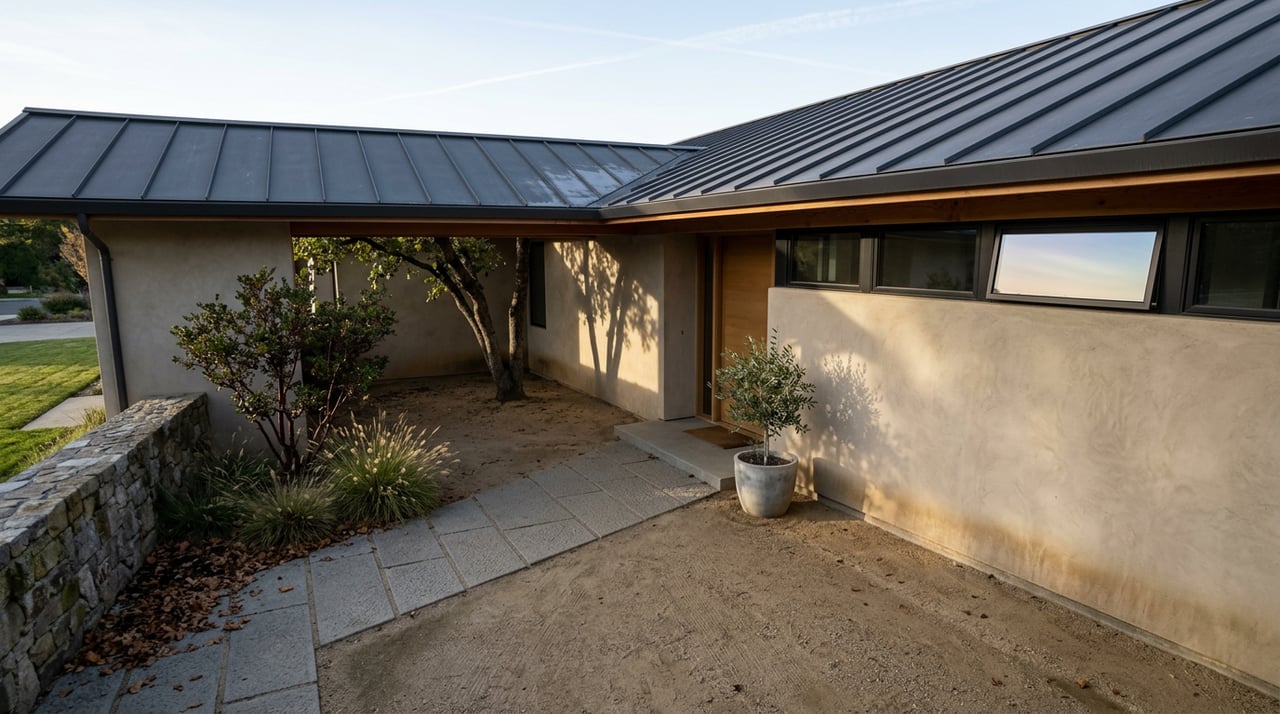
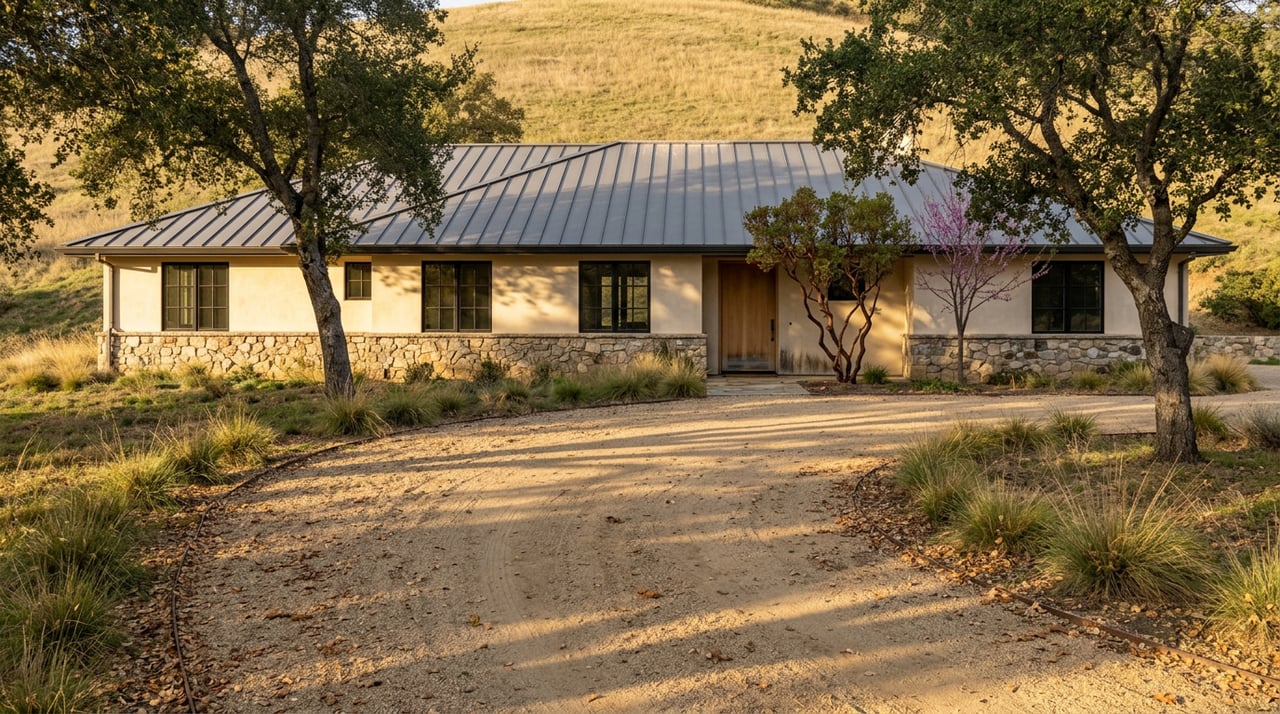
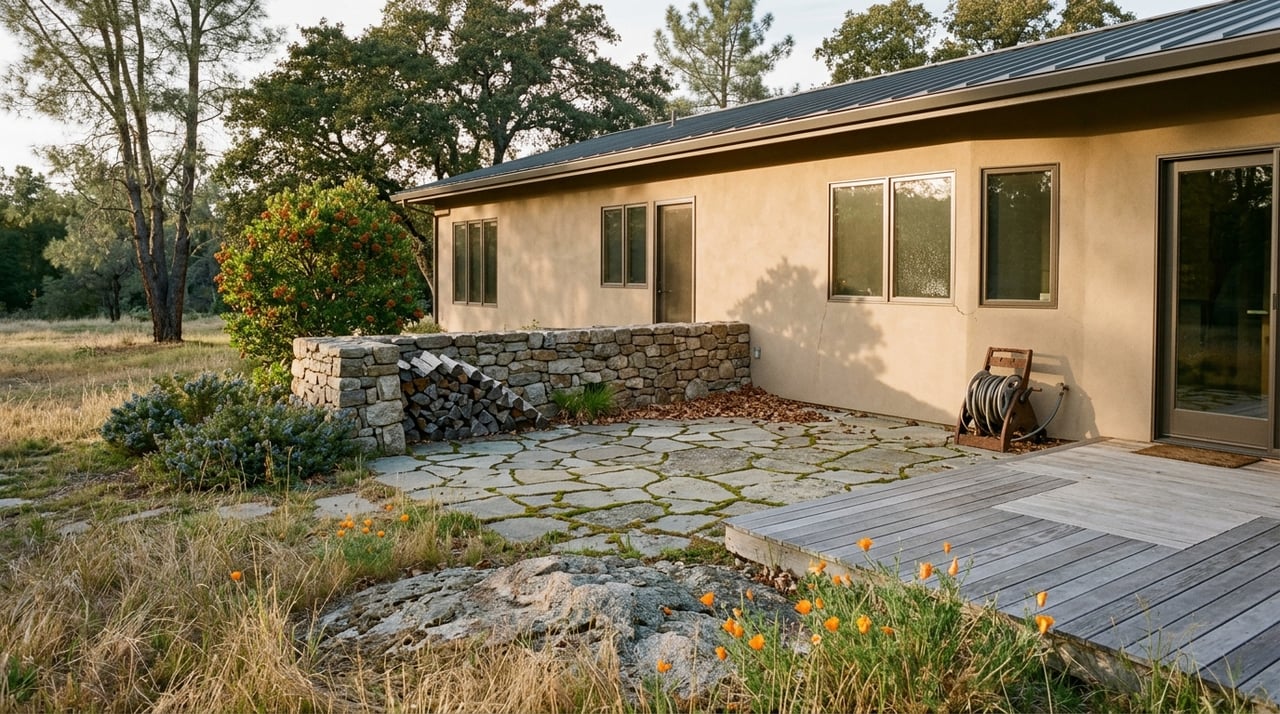
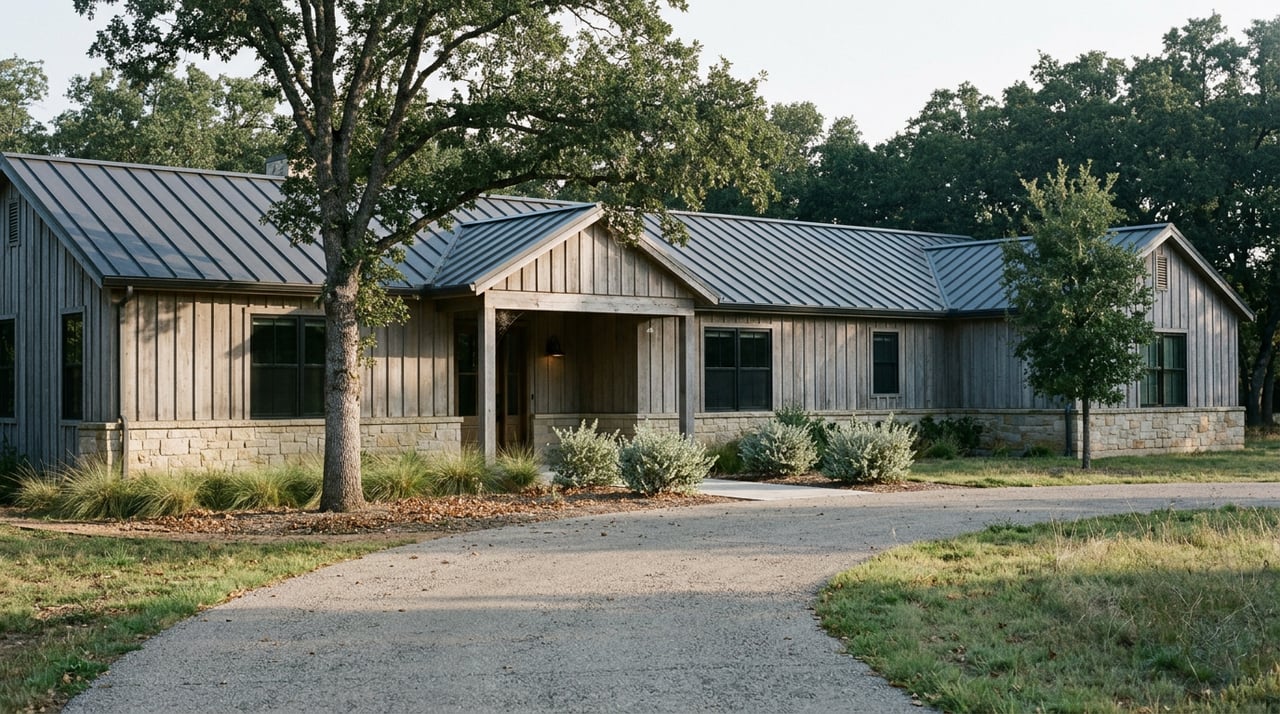
So where does the real market live? Outside the park boundary, in a residential ring most listings describe as "minutes from historic Columbia" rather than inside it.
Homes in the Gold Springs neighborhood trade regularly, a short drive from the park on private wells and septic systems. Rambling Hills, a 55-and-older manufactured home community just outside town, turns over steadily too, with its own clubhouse and community garden. Acreage parcels off Italian Bar Road and Sawmill Flat Road come up often, some with public water and sewer already run to the lot line, some fully off-grid and requiring a buyer to install a well and septic system from scratch. One recent listing paired a full acre of Highway 49 frontage, zoned commercial, with residential flexibility, a reminder that private, transactable property does exist close to town, it just sits outside the museum-piece boundary.
As of early September 2026, land listings in Columbia numbered around a dozen parcels, with asking prices landing near $608,000 at the median. That's the market you're actually shopping when you search "Columbia," not the boardwalk.
Why the Median Swings So Hard
This split explains something that trips up a lot of buyers comparing towns: Columbia's reported home price data moves in ways that look almost random from one snapshot to the next.
In June 2026, the tracked median sale price for Columbia stood at $548,701, up 30.8 percent from a year earlier. That's not a sign the town suddenly got a third more valuable. It's a sign of how few homes actually close there in a given month. Compare it to the countywide numbers next door: the Tuolumne County Association of Realtors reported a first-quarter 2026 countywide median sales price of $366,000, built on 171 total sales across the county, with roughly 6.9 months of inventory sitting on the market. A quarter's worth of countywide sales, 171 closings, is large enough to smooth out one estate sale or one distressed sale. A month's worth of Columbia sales usually isn't. One larger acreage property closing in a slow month can swing the reported median by tens of thousands of dollars, and that's before you factor in a 2020 census count of just 2,577 residents spread across six square miles.
The lesson isn't that the data is wrong. It's that a town this small, with a historic core that can never contribute a single closing, produces medians that move on the strength of a handful of transactions rather than a market-wide trend.
Before You Rely on Any Columbia Number
A few questions worth asking before a "Columbia" median or listing shapes your decision:
- Is the property actually inside the park boundary, or is it in the residential ring around it? Marketing copy that says "minutes from Columbia State Historic Park" is telling you something specific: this home sits outside the boundary, not inside a museum piece.
- How many comparable sales is this median built from? A countywide quarterly figure covering 171 closings tells you something different than a single month's worth of Columbia-only sales, which might be a handful of homes.
- What utilities does the parcel actually have? Land off Italian Bar Road or Sawmill Flat Road can come with public water and sewer already run, or it can require a private well and septic system installed from scratch. That difference affects both your closing costs and your timeline before you can build.
None of this means Columbia is a hard place to buy into. It means the town you're picturing when you imagine "living near Columbia" and the town where your closing will actually happen are two different pieces of geography, and knowing which one you're shopping saves you from comparing a museum to a neighborhood.
What This Means If You're Comparing Sierra Foothill Towns
If the appeal of Columbia is proximity to that living-history Main Street, a home in Gold Springs or off Sawmill Flat Road delivers exactly that, a short drive to gold-panning and stagecoach rides without ever asking you to compete for space that isn't for sale. If what you actually want is a downtown you can own a piece of, storefront and all, that's a different conversation, and one better had about Sonora or Jamestown, where Main Street sits on private, taxable, transactable ground.
Either is a reasonable way to live in the Mother Lode. They're just not the same purchase, and no portal median will tell you which one you're looking at.
If you're weighing a move to Columbia or anywhere else in the Sierra foothills and want a straight read on what a specific address is actually worth, and whether it sits inside a park boundary or a private neighborhood, Mother Lode Real Estate Team can walk the parcel with you before you write an offer. Get your free instant home valuation and start with the comp set that actually applies to your address, not the one a national portal assumed.